

Most often, home water damage comes with a high price tag that homeowners really hope they don’t have to deal with. When it happens all at once, or when it slowly and systematically permeates into a home over time, it can damage structures, destroy possessions, and create the perfect breeding ground for mold growth. It’s a good idea for homeowners to know the many risks that they and their properties face and do whatever they can to prevent home water damage from happening.
1. Burst Pipes
A major causes of water damage in homes is freezing, old, or damaged plumbing fixtures or pipes. When a plumbing fixture or pipe breaks, it is possible to release gallons of water a minute throughout your home, which leads to significant burst pipe damage to your walls, flooring, ceilings, and furniture.
As preventative measures, be on the watch for exposed piping, as it can easily give way to ice expansion; be sure to insulate any plumbing during winter; and replace any of the pipework showing signs of rust or decay before damage can occur. Taking prompt action whenever you discover odd plumbing pressure or leaks is one way to prepare for water damage prevention.
2. Plumbing Leaks
Plumbing leaks under floors, walls, or in cabinets often go undiscovered, and though slow to develop, moisture build-up can result in damage, structural weakness, or even mold growth. Water under the sink or on the floor around a toilet, washing machine, water heater, or shower stall can be signs of trouble, and routine check-ups are important.
3. Roof Leaks
Poorly maintained roof conditions caused by heavy rain, broken shingles, gutter blockages, and older roofing materials often cause roof leaks. Leaks in a home system often find a way into insulation, ceilings, drywall, and even the electrical system before a homeowner would ever know. Homeowners can prevent roof leaks with annual inspections of their roof and clean gutters for adequate drainage; roof leak repair is some of the best water prevention.
4. Appliance Failures
Washing machines, dishwashers, refrigerators, and hot water heaters are susceptible to bursting, or their supply lines may become worn or loose, causing extensive home water damage. You should replace these hoses every few years, check worn connections annually, and turn off your water supply valve when working with appliances that need replacing.
5. Delayed Response After Water Damage
People often make the critical mistake of not acting quickly once they notice water intruding into their home. What seems like a small area of water loss quickly spreads throughout walls, under flooring, and everywhere in between if it’s not properly addressed. Properly drying the area, removing the moisture, and proceeding with water damage restoration can prevent long-term damage and stop any mold from developing. By following water restoration tips it is possible to keep the cost to the homeowner to a minimum.
Protect Your Home with Regular Maintenance
Being able to prevent costly home repairs through home maintenance is one of the top defenses an individual can have. Check on all of the appliance components in plumbing, roofing, home repair, appliances, and water management systems throughout the year, and then you can prevent major work from getting done in a few years and repair and fix the home maintenance issues while it’s relatively less expensive to tackle the problems with a proper approach. When any issues like flooding occur, not being so prompt and efficient when cleaning them up may cause permanent harm and loss of value as well to your house.
Conclusion
By knowing why water damage happens, you can take steps toward avoiding significant home repair expenses. When it comes to water damage prevention, routine upkeep will help ensure that leaks caused by plumbing issues and leaky roofs are fixed before severe property damage transpires. You should also make sure that burst pipes don’t take a toll on your home’s structure.
Nevertheless, if you don’t get the chance to head out for a house for a few of the leading causes of water damage, you still can utilize professionals for assistance.
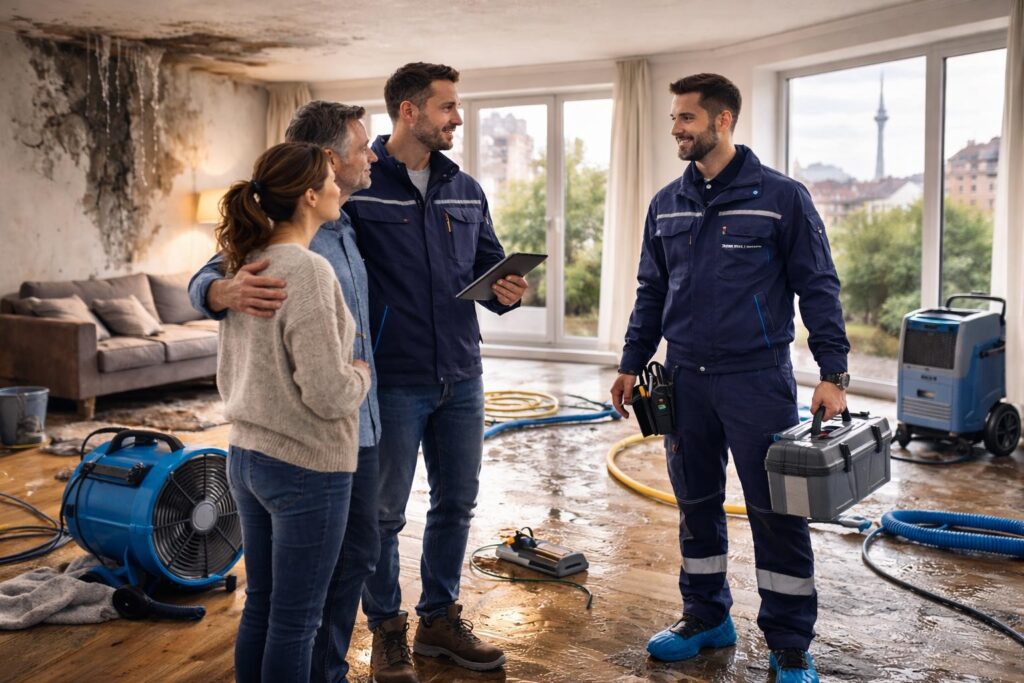
For safe and quick work and mold clean-up of water-damaged locations around Baltimore, it’s essential to deal with Move Fast Restoration. Our proficient technicians will endeavour to restore your house so that it can once again be completely functional without any long waiting periods or hassles.
FAQ
What are the most common causes of water damage in homes?
Burst pipes, plumbing leaks, roof leaks, appliance failures, and delayed responses to water intrusion are some of the most common causes of water damage in homes.
How can I prevent burst pipes from causing water damage?
You can help prevent burst pipe damage by insulating exposed pipes during winter, replacing old or damaged pipework, and addressing unusual plumbing pressure or leaks as soon as they are noticed.
What are the signs of a plumbing leak in my home?
Signs of a plumbing leak can include water under sinks, moisture around toilets or appliances, damp flooring, and unexplained moisture in cabinets, walls, or other areas.
How can I prevent roof leaks from causing water damage?
Regular roof inspections, replacing damaged shingles, keeping gutters clear, and maintaining proper drainage can help prevent roof leaks and reduce the risk of water entering your home.
Can appliance failures cause significant water damage?
Yes, washing machines, dishwashers, refrigerators, and water heaters can cause significant water damage if their hoses, supply lines, or connections become worn, loose, or damaged.
Why is it important to respond quickly after water damage occurs?
A quick response can help limit the spread of water into walls, flooring, ceilings, and other areas. Prompt water removal and drying can also help reduce the risk of long-term damage and mold growth.
How can Move Fast Restoration help after water damage in Baltimore?
Move Fast Restoration provides professional water damage restoration and mold clean-up services in Baltimore, helping homeowners address water-damaged areas and restore their properties safely and efficiently.