

A humid basement might become a major issue for mould way more rapidly than most homeowners anticipate. The basement is usually the first area to develop mold, whether due to foundation seepage, humidity, a plumbing leak, lack of ventilation, or past water damage. When it spreads, it can affect the walls, floor joists, drywall, stored items, and even the indoor air quality in the living areas above. The pages dedicated to mold-remediation services at Move Fast Restoration specifically mention basements as typical areas where mold can form due to moisture accumulation and unidentified leaks.
This manual explains how homeowners ought to act, what not to do, and when to call professionals for black mold cleanup Glen Burnie homes, local mold removal Glen Burnie, and mold remediation Glen Burnie, MD.
What should a homeowner do first?
The last thing you want to do is to scrub the mold and paint it when you find it in the basement. The initial step is to identify the source of moisture and prevent further contamination.
Start here:
- Check for active leaks, seepage, or standing water
- Reduce access to the affected area
- Avoid disturbing visible mold growth
- Document the damage with photos
- Schedule a professional inspection if the mold is widespread, returning, or has a strong odor.
This is important because the issue of moulds is not superficial. When moisture persists behind the walls, under the floor, or even in the insulation, visible cleanup will not resolve the problem.
Step 1: Recognize the warning signs
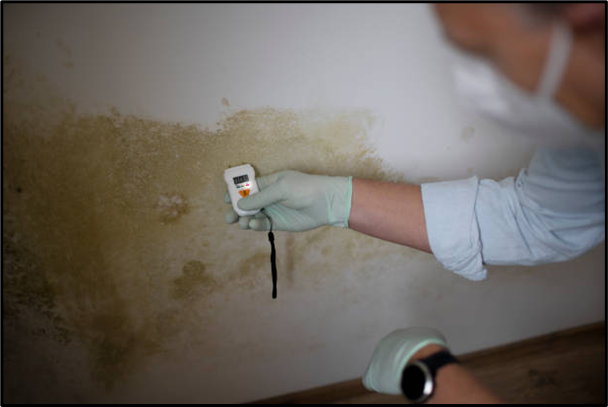
Basement mold is not necessarily apparent. A dark spot is seen in some of these homeowners, and before anyone can see, a musty smell is detected in others.
Common signs of basement mold
- Persistent damp or earthy odor
- Black, green, gray, or brown discoloration
- Peeling paint or staining on the basement walls
- Damp drywall or warped trim
- Condensation around pipes or windows
- Past flood or leak history
- Family members feel worse in a damp indoor environment
When these signs appear after water intrusion or long-term humidity, professional mold remediation in Glen Burnie, MD, becomes the safer option.
Step 2: Find the moisture source
Dehumidification of the property without sealing it is just a temporary solution. This should always be evident in a proper homeowner’s guide.
Basement moisture commonly comes from:
- Foundation cracks
- Wall seepage after rain
- Plumbing leaks
- Sump pump issues
- Poor drainage outside the home
- Humid air with limited ventilation
- Appliance-related moisture from laundry areas or water heaters
The location of Move Fast Restoration keeps attributing the mold growth to leakage, drainage, humidity, and concealed water sources, which is why moisture control cannot be considered on the same level as the elements of the remediation plan.
Step 3: Know when DIY is not enough
A lot of homeowners will try bleach, spraying, or scraping. Such an option can aggravate the situation when spores are released into the air or further into porous materials.
Do not rely on DIY if:
- The mold covers a large area
- It keeps returning
- It is inside drywall, insulation, or wood framing
- The basement has a strong recurring odor
- The mold followed flooding or a plumbing event
- Occupants have breathing sensitivities
- You suspect a hidden spread behind finished walls
The significance of local mold removal in Glenburnie comes in here. Quick response in the local area can mitigate the spread, improve indoor air quality, and target the source before large restoration areas accumulate.
Step 4: Professional inspection and assessment
A specialist mold-removal team will not start with demolition, but with inspection. It aims to establish the location of the mold, its extent, and the conditions sustaining it.
A typical assessment includes:
- Visual inspection of affected areas
- Moisture-source evaluation
- Review of recent leaks or flood history
- Identification of vulnerable materials
- Indoor air or contamination review when needed
- Containment planning before removal
Move Fast Restoration explains its procedure as certified, quick, and organized for restoring healthy indoor air without unwarranted disturbance. The non-destructive treatment methods of mould and biodegradable fogging have also been mentioned on its site as part of the service approach.
Step 5: Containment and safe removal
After the inspection, the second step is to prevent cross-contamination. It is one of the largest distinctions between an appropriate remediation process and a mere cleanup operation.
Professional removal usually includes:
- Isolating the affected zone
- Limiting spore movement to other rooms
- Removing or treating damaged materials
- Cleaning contaminated surfaces safely
- Treating air and hidden particles
- Drying the basement thoroughly
This is a very important step for homeowners who may be looking for black mold cleanup Glen Burnie homes. The mold cannot be swept outdoors or treated without precautions, particularly in a basement that is attached to the HVAC air circulation or used areas.
Step 6: Air cleaning and drying
Remediation of molds does not cease because the visible staining is no longer present. The area should also be dried and cleaned on the air level.
Why this step matters
- Moisture left behind encourages regrowth
- Airborne spores can settle in nearby spaces
- Odors often remain if the area is not fully treated
- Basements with poor ventilation are at a higher risk
The pages of Move Fast Restoration highlight the importance of air restoration, intensive cleaning, and fogging of the environment after restoration to turn the situation in the indoor space in favor of spores.
Step 7: Prevent future basement mold
The final part of any homeowner’s guide should focus on prevention.
Smart prevention steps
- Repair cracks and plumbing leaks promptly
- Improve basement airflow
- Use dehumidification where needed
- Keep storage off damp floors
- Monitor walls after heavy rain
- Address drainage around the home
- Schedule a follow-up if odors return
Homeowners who invest in correcting mold remediation Glen Burnie, MD should be very certain that the cause is being fixed as well, or the same moisture conditions may lead to the same situation in the future.
Final takeaway for Baltimore homeowners
Basement mold signals hidden moisture damage, reduces indoor comfort, affects air quality, and quietly spreads through structural materials. The safest path is to move in steps: identify the warning signs, control moisture, avoid disturbing the mold, get a professional assessment, and complete full remediation with drying and prevention.
In urgent local mold removal cases in Glenburnie, referred to as urgent help, the most important factor is trusted help when the issue is ongoing, recurrent, or in the air of the home.
In Baltimore or the immediate surroundings of Glen Burnie, Move Fast Restoration can provide professional inspection and remediation services for basement mold, musty odors, or any moisture on the premises. They emphasize their website’s focus on fast-response services for mold and basement mold elimination, and their ability to cover the Allen Burnie area to make homes a healthier and safer environment.